
Purchase Kayaks Online | Kayaks for Sale
Ultimate Guide to Paddling Gear Maintenance: Expert Kayak and Canoe Care Tips for Longevity and Safety
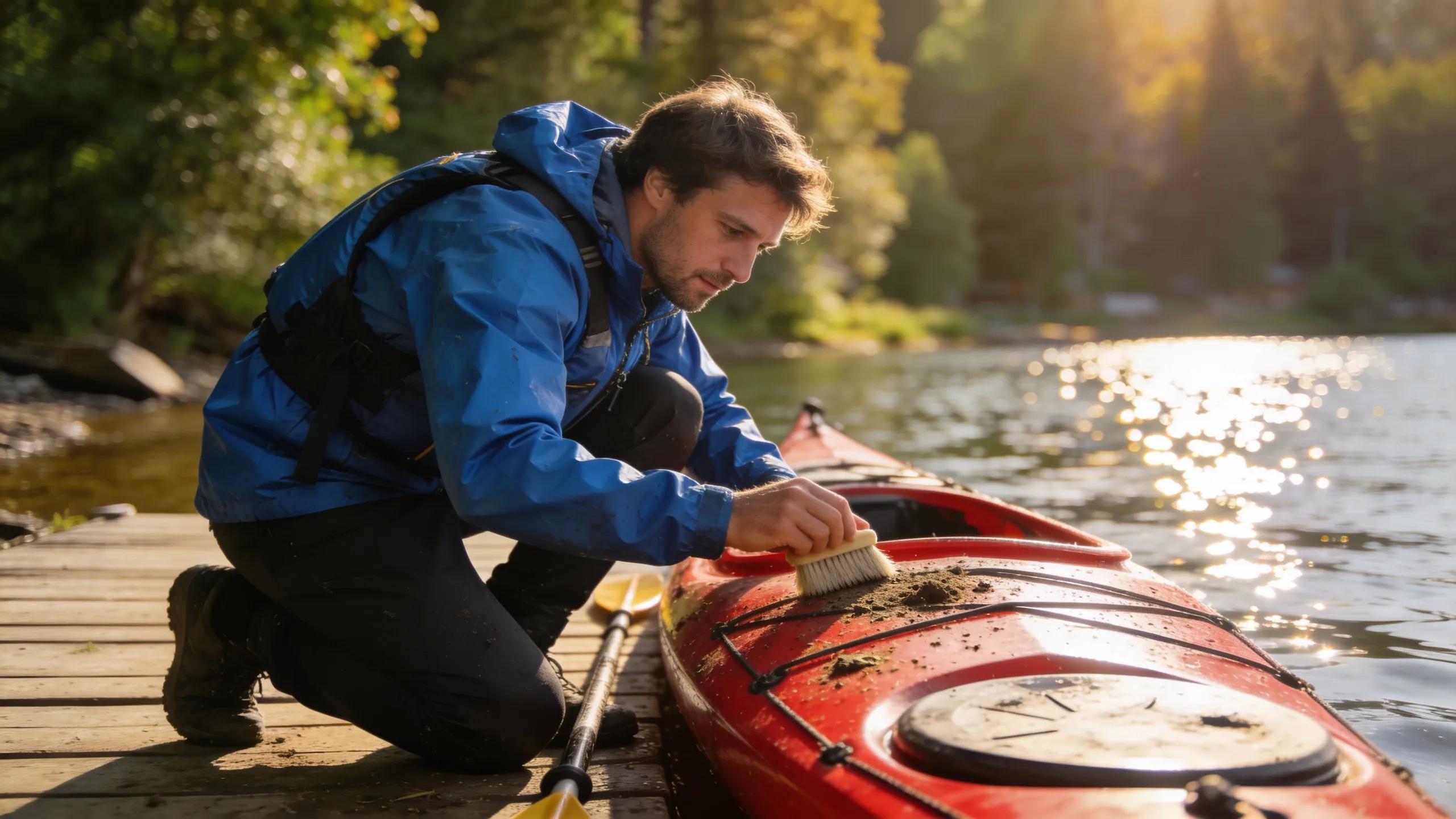
By Dita Pahl, Canoes Plus Adventure Experience
Proper maintenance preserves performance and reduces safety risks. This guide provides practical cleaning, repair and storage steps for kayaks and canoes. Follow these recommendations to extend equipment service life and keep paddling safe.
How Do I Properly Clean My Kayaking and Canoe Equipment?
Cleaning removes salt, grime and contaminants that accelerate wear and impair handling. Use methods suited to your craft’s material and follow manufacturer guidance to protect seals and fittings.
What Cleaning Agents and Techniques Ensure Safe and Effective Gear Care?
Choose cleaners made for your craft’s material and avoid harsh chemicals that degrade seals or coatings. Prefer mild, marine-safe products when possible.
Mild Soap Solutions: Ideal for general cleaning without damaging surfaces.
Dedicated Kayak Cleaners: Formulated specifically for various materials used in kayaks and canoes, ensuring no harsh chemicals are introduced.
Natural Cleaners: Such as vinegar and baking soda that can effectively remove grime without harming the environment.
Use soft brushes and lint-free cloths to remove dirt and avoid abrasive contact that can scratch or weaken hull surfaces.
How Often Should Paddling Gear Be Cleaned to Optimize Performance?
Rinse after outings, perform periodic maintenance during the season, and do a full clean before storage.
After Each Use: Wash your gear to remove dirt, salt, and other residues.
Monthly Maintenance: Inspect and clean components that may not be regularly used, such as paddles and seats.
Pre-Season Check: Clean thoroughly before the season starts to ensure all gear is ready for adventures.
Consistent cleaning reduces material breakdown, helps detect issues early, and improves safety on the water.
What Are the Best Repair Methods for Maintaining Kayak and Canoe Equipment?
Address damage promptly to preserve structural integrity and safety. Carry basic repair supplies for common fixes.
How Do I Identify Signs of Wear That Require Immediate Repair?
Inspect your craft regularly and look for clear indicators of compromise that need immediate attention.
Cracks or Dents in the Hull: Even minor damage can lead to leaks and structural failures.
Worn Paddles: Regularly check for splintered edges or worn-down blades which can degrade performance.
Damaged Seats and Straps: Ensure all components are secure and functional to maintain safe operation.
Ignoring these signs risks failure and costlier repairs later.
Which Repair Materials and Tools Are Recommended for Watercraft Maintenance?
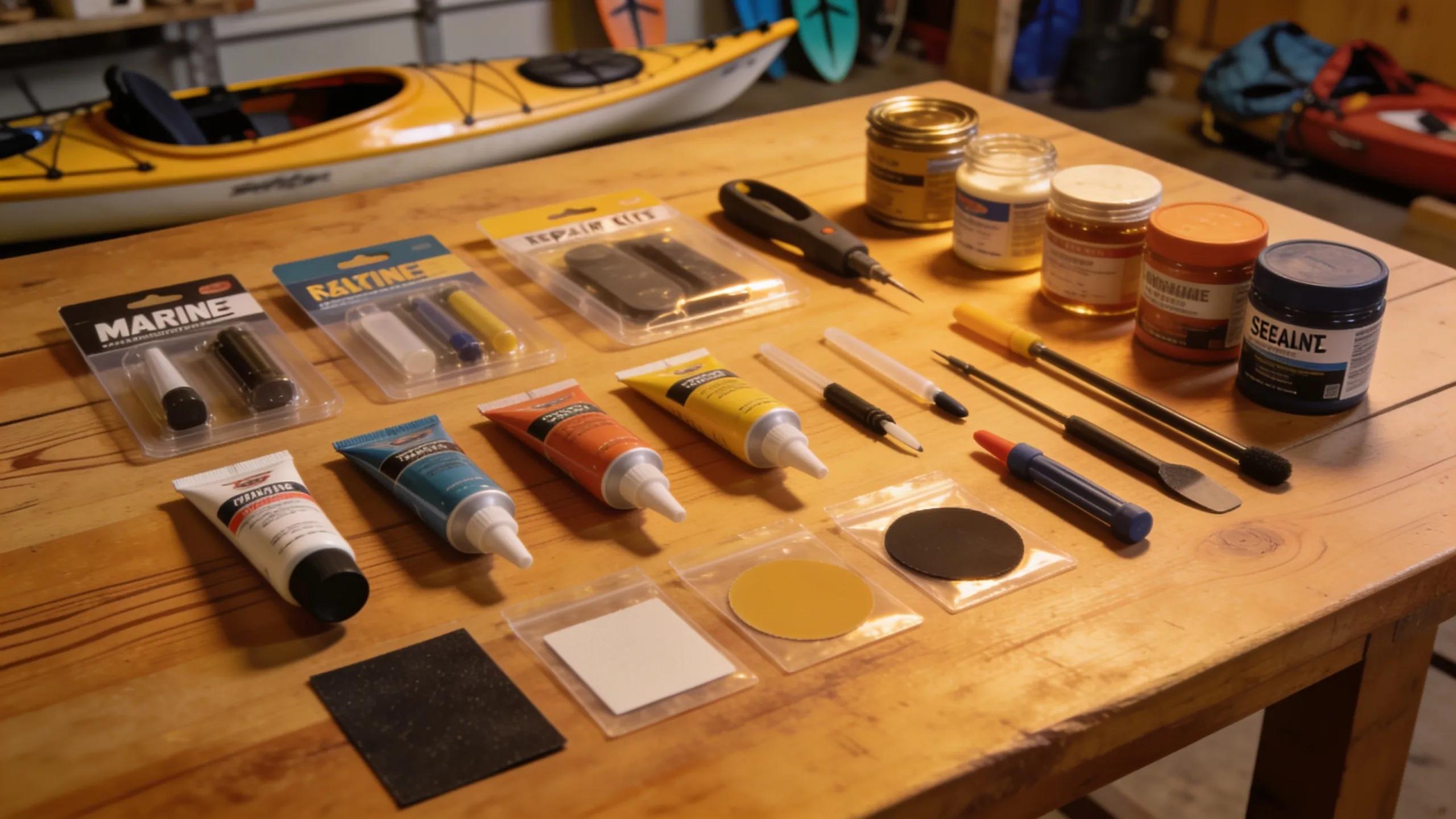
Keep a basic repair kit matched to your craft’s material for safe, effective repairs when needed.
Marine Adhesives: Specifically formulated to withstand water and maintain bond strength.
Repair Kits: Pre-packaged kits often include various tools and materials suitable for common kayak repairs.
Sealants: Used to fill gaps and provide waterproofing capabilities.
Having these items on hand supports timely fixes that restore watertight integrity and prolong useful life.
How Should I Store and Protect Paddling Gear for Maximum Longevity?
Storage strategy matters: protect gear from UV, moisture and physical stress to limit material degradation and preserve performance.
What Are the Best Practices for Preventing UV and Mold Damage During Storage?
Adopt storage steps that remove moisture and block sunlight to avoid mould growth and UV-related deterioration.
Dry Completely: Ensure all equipment is fully dry before storing to avoid mold growth.
Use UV Protection: Consider using UV protectant sprays designed specifically for kayaks and canoes.
Store in a Cool, Dark Place: Keeping your equipment away from direct sunlight minimizes UV exposure and prolongs material integrity.
These measures preserve materials and keep equipment ready for safe use when you need it.
How Does Seasonal Care Influence Effective Gear Storage?
Adjust storage to seasonal risks: protect against freezing in winter and check for wear before the next season.
Winterised Care: When temperatures drop, ensure gear is stored in a climate-controlled environment to prevent freezing conditions that could damage materials.
Inspect Gear before Spring Use: Prior to the paddling season, take time to check for any wear and ensure everything functions properly.
Season-aware storage reduces weather-related damage and helps you identify issues before they become safety hazards.
Which Tools and Products Are Recommended for Effective Kayak and Canoe Maintenance?
Select tools and products designed for paddlesports to make routine upkeep efficient and reliable.
What Eco-Friendly and Marine-Approved Products Support Regular Gear Upkeep?
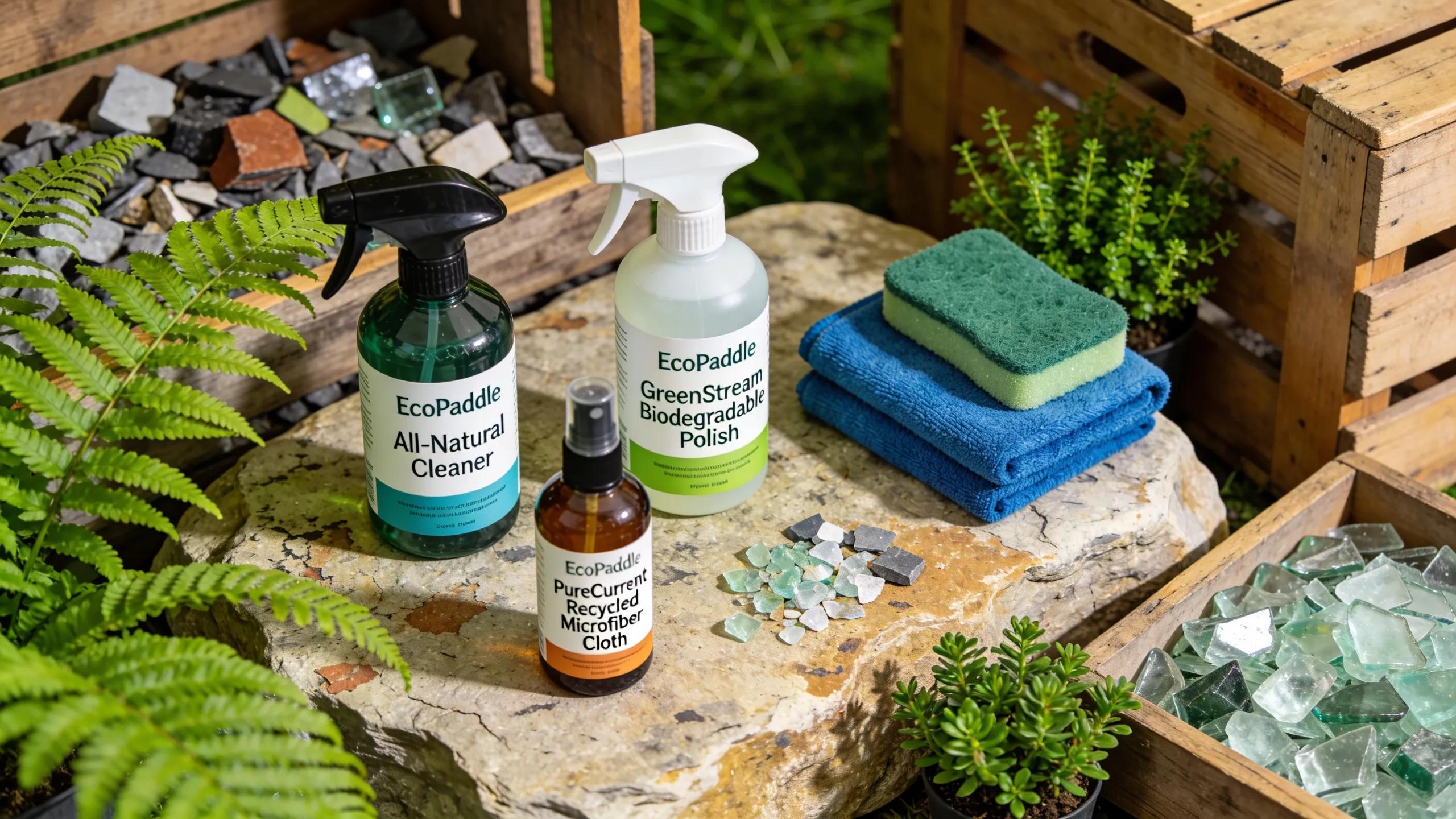
Choose biodegradable and marine-approved options to protect waterways while maintaining equipment integrity.
Biodegradable Cleaners: Formulated without harsh chemicals, they clean effectively while being safe for waterways.
Natural Sealants: Options such as those made from plant-based materials can protect while being environmentally friendly.
Non-Toxic Lubricants: Ideal for moving parts like paddles or rudders, ensuring smooth operation and longevity.
Using these products supports sustainable maintenance without sacrificing protection or performance.
How Do Certified Instructors Integrate Maintenance Tools Into Kayaking Courses?
Certified instructors include maintenance in training to reinforce safety and equipment care as part of standard practice.
Hands-on Demonstrations: Instructors show cleaning techniques during courses to provide a practical learning experience.
Maintenance Workshops: Specialized classes focused on repair methods and gear maintenance can increase a paddler's confidence and skills.
Teaching maintenance builds practical skills and promotes safer, more reliable use of paddling equipment across the community.
Frequently Asked Questions
1. What Should I Do if My Kayak Breaches or Leaks?
If you find a leak, locate the source and apply a temporary patch such as marine tape while on the water. For a permanent fix, use marine adhesives or a repair kit suitable for your kayak, then inspect fully before the next use.
2. Are There Specific Storage Solutions for Inflatable Kayaks?
Yes. Dry the kayak completely before deflating to prevent mould, store it out of direct sunlight in a cool place, and keep it in a protective bag or case. Inspect for punctures before re-inflating and avoid placing heavy items on top.
3. How Can I Store My Paddles to Prevent Damage?
Store paddles horizontally or on a dedicated rack so blades aren’t bearing weight. Keep them out of direct sun and extreme heat to avoid warping, and use covers or cases to protect against dust and scratches.
4. Can Regular Maintenance Improve My Safety on the Water?
Yes. Regular checks for wear, maintaining seals and ensuring all components work correctly reduce the risk of accidents. Well-maintained equipment improves handling, stability and overall safety.
5. What Temperature Conditions Are Ideal for Kayak Storage?
A climate-controlled environment is best. Aim for roughly 50°F to 70°F (10°C to 21°C) to prevent material degradation or freezing. Avoid extreme heat, humidity or prolonged sun exposure; use a UV cover if outdoor storage is necessary.
6. Is There a Recommended Frequency for Gear Inspections?
Inspect your kayak and equipment before every outing for visible issues. Perform a more thorough check monthly during the season and a detailed inspection as part of your winterising routine.
7. How Can I Extend the Lifespan of My Paddling Gear?
Extend lifespan by cleaning after use, repairing damage promptly, and storing gear correctly. Use compatible, eco-friendly cleaners, check for wear regularly, and protect equipment with covers when not in use.