
Purchase Kayaks Online | Kayaks for Sale
Ultimate Guide to Choosing Kayaking Gear: Expert Advice for Safe and Effective Equipment Selection
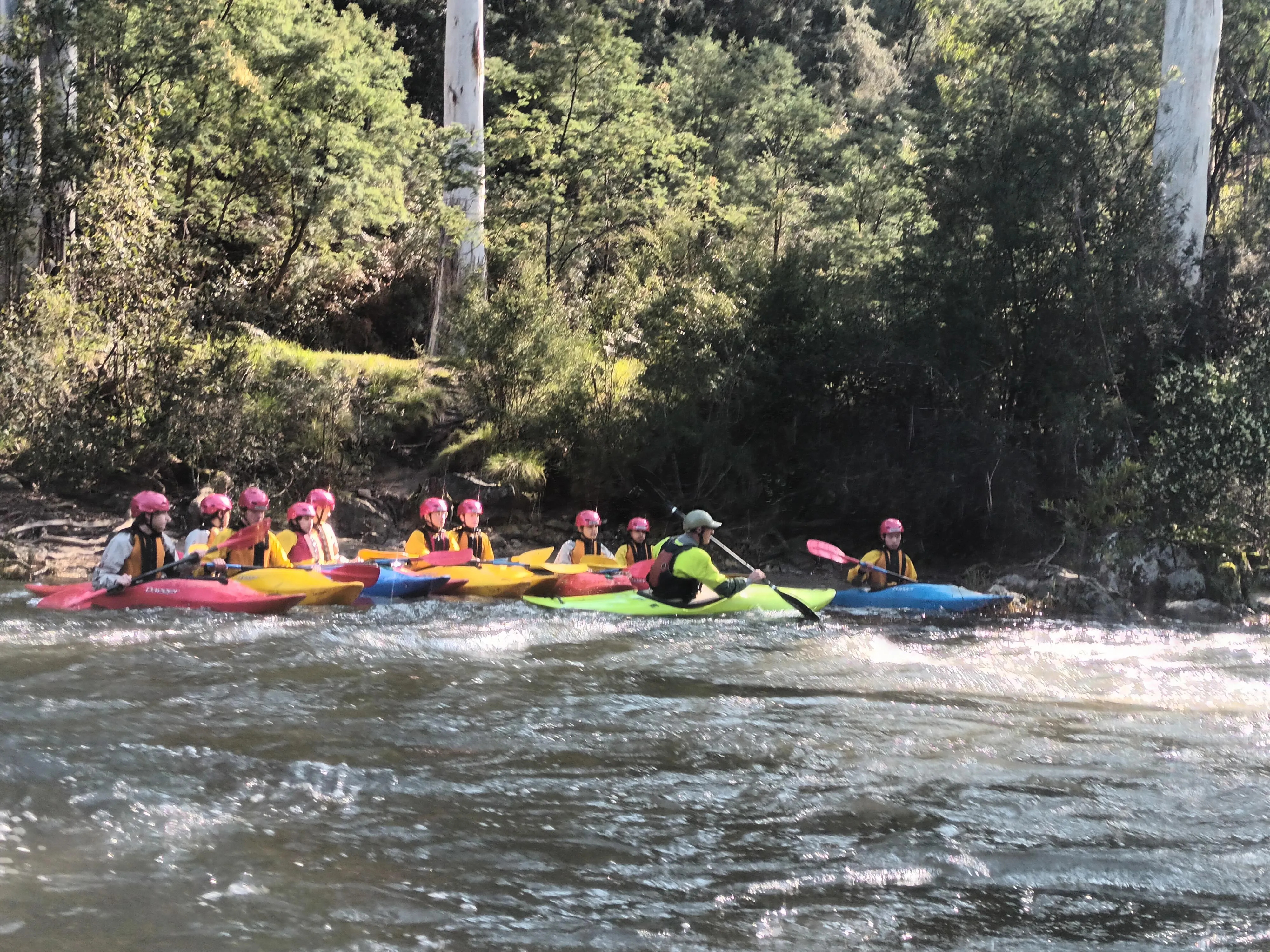
By Dita Pahl, Canoes Plus Adventure Experience
The right kayaking gear improves performance and protects you on the water. This guide summarises essentials—from kayak types to PFDs and paddles—and gives concise recommendations for different environments so you can choose equipment that fits your goals.
Essential Gear for Kayaking Adventures
Start with three core items: a reliable kayak, a correctly fitted Personal Flotation Device (PFD) and a suitable paddle. Match the kayak type to your skill and intended use—recreational, touring or whitewater—and ensure your PFD fits and meets local rules.
Personal Flotation Device (PFD): Required for safety and regulation compliance.
Kayak Type: Choose recreational for calm water, touring for distance, whitewater for rapids.
Safety Gear: Helmets, first aid kits and basic rescue items when conditions require them.
Key Considerations for Selecting Kayaking Gear
Prioritise stability, comfort and appropriate load capacity. Look for adjustable seating, ergonomic features and the kayaks rated weight to carry you and your kit safely.
Stability: Critical for beginners and for loaded boats.
Comfort: Adjustable seats and footrests reduce fatigue.
Weight Capacity: Confirm the limit before adding gear.
Recommendations for Various Kayaking Environments
Match equipment to conditions: recreational kayaks and light paddles for calm lakes; agile whitewater kayaks and robust paddles for rapids; touring kayaks and comfortable, efficient paddles for long trips.
Calm Waters: Recreational kayaks and light paddles.
Whitewater Conditions: Agile whitewater boats and durable paddles.
Touring Trips: Touring kayaks with storage and efficient paddles.
For hands-on instruction, local kayak schools offer practical courses on selection and safe equipment use.
Safety Tips
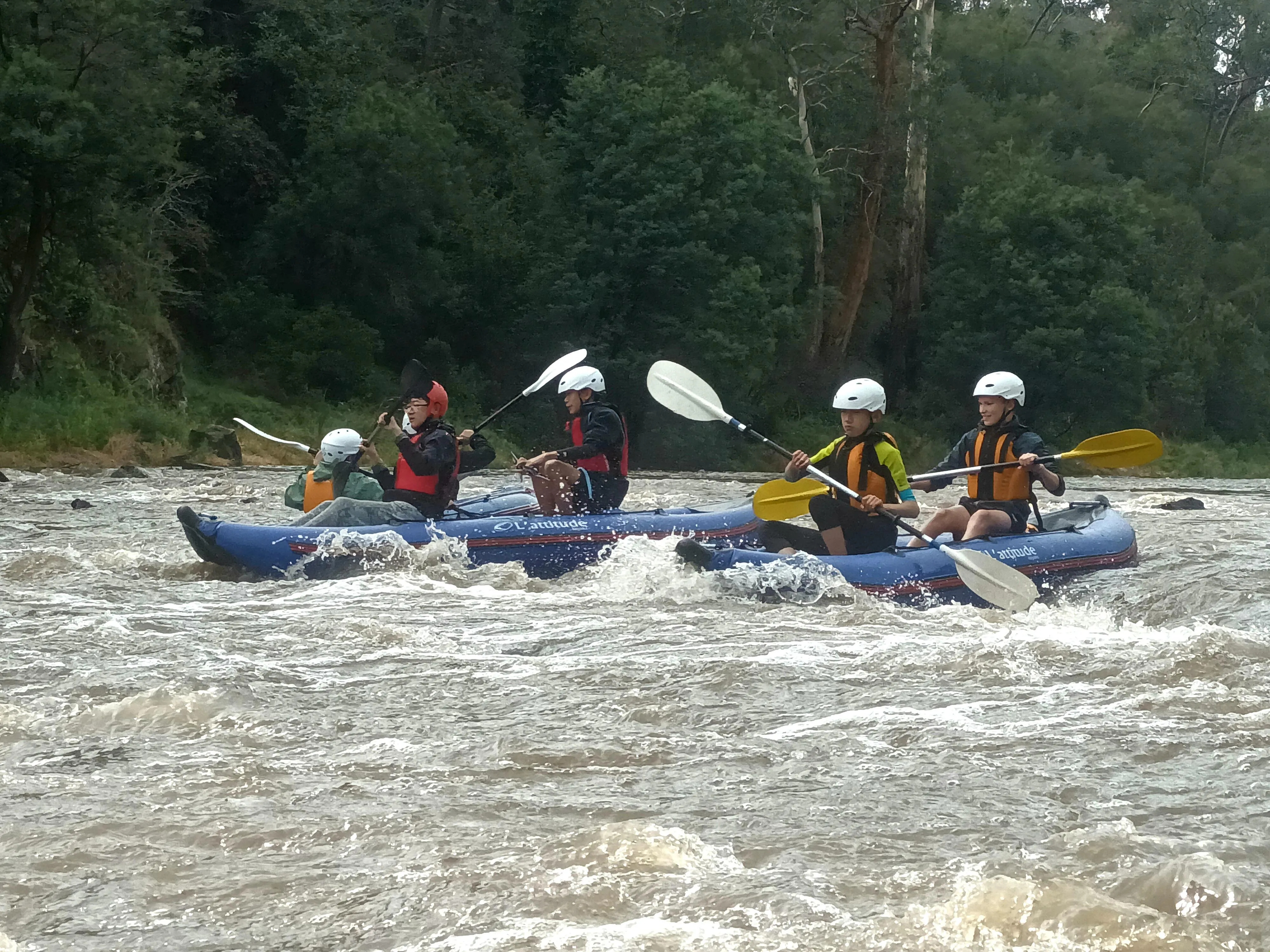
Safety is the top priority. Prepare before each outing and carry basic safety kit to reduce risk.
Check Weather Conditions: Confirm forecasts and water conditions before you go.
Paddle with a Buddy: Companions improve safety and rescue options.
Familiarize with the Area: Know local hazards, entry/exit points and emergency contacts.
What Are the Essential Types of Kayaking Gear You Need?
Core items vary by activity: paddles matched to boat type, required safety equipment and accessories for comfort and efficiency on the water.
Which Kayak Types Determine Your Gear Requirements?
Your kayak choice drives other gear decisions: recreational for stability, touring for range and storage, whitewater for protection and control.
Recreational Kayaks: Easy handling on calm water.
Touring Kayaks: Designed for distance and gear carriage.
Whitewater Kayaks: Built for manoeuvrability and impact resilience.
What Safety Equipment Is Mandatory for Kayaking?
Legal requirements vary, but PFDs are commonly mandatory. Carry a whistle, first aid kit and a means of communication when venturing offshore or into remote areas.
Legal Requirements: Ensure required devices (often PFDs) are on board. In Australia requirements for PFDs vary by State. Victorian Law indicates that you need to wear and Australian Standards approved PFD when Kayaking. Check your local State law for other requirements.
Best Practices: Add signaling and basic medical supplies for emergencies.
How Do You Select the Best Kayak Paddles for Your Needs?
Paddle choice affects comfort and efficiency. Consider length, blade shape and construction relative to your height, style and kayak type.
Length Considerations: Match paddle length to your body and boat width.
Material Types: Lighter materials reduce fatigue; balance cost and durability.
Blade Shape: Wider blades give power; narrower blades favour efficiency.
What Are the Key Features and Materials of Kayak Paddles?
Materials and design determine weight, durability and stroke feel. Carbon and fibreglass balance lightness and strength for many paddlers.
Weight and Durability: Carbon and fiberglass offer a good trade-off.
Blade Shape: Choose a blade that suits your preferred stroke and conditions.
Which Paddle is Best for Beginners Versus Experienced Paddlers?
Beginners benefit from wider, forgiving blades that aid control. Experienced paddlers may prefer lighter, more responsive paddles for speed and agility.
Beginners: Wider blades for control and stability.
Experienced Paddlers: Lightweight, responsive paddles for performance.
What Clothing and Accessories Should You Consider for Kayaking?
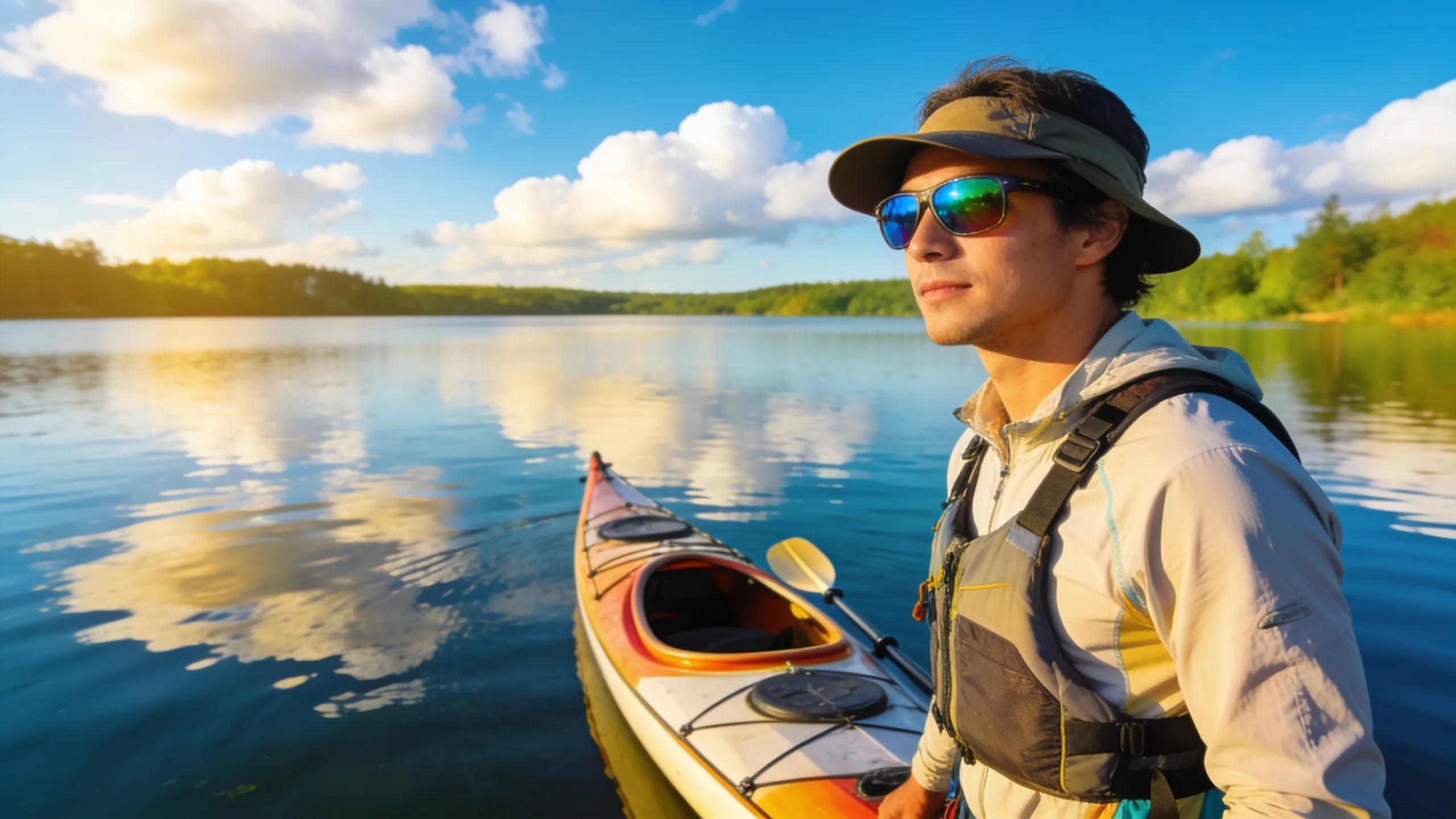
Choose clothing and accessories to suit weather and water temperature: breathable, UV-protective gear for sun; insulating, water-resistant layers for cold; and footwear with good grip.
How Does Weather Impact Kayaking Clothing Choices?
Dress for conditions: lightweight, moisture-wicking and UV-protective for heat; insulated, waterproof layers such as wetsuits or drysuits in cold water.
Sunny Weather: Breathable fabrics and sun protection.
Cold Weather: Insulation and water-resistant outer layers.
What Additional Gear Enhances Safety and Comfort on the Water?
Spray skirts, wetsuits and protective footwear improve comfort and safety. Use sunglasses, hats and secure storage for valuables and electronics.
Safety Gear: Spray skirts and wetsuits help manage cold and spray.
Comfort Accessories: Sunglasses, hats and suitable footwear for grip and sun protection.
How Can You Maintain and Store Kayaking Gear to Ensure Longevity?
Regular care and proper storage prolong equipment life and reliability. Rinse, inspect and repair gear as needed, and store items out of direct sun.
What Are the Best Practices for Kayak and Gear Maintenance?
Rinse salt and mud off gear after use, inspect for wear, and repair or replace damaged items to maintain safety and performance.
Cleaning Methods: Rinse and dry gear after exposure to salt or mud.
Check for Damage: Inspect regularly for wear or structural issues.
How Should You Store Kayaking Equipment Safely Between Uses?
Store kayaks in a cool, dry place away from direct sunlight. Keep small items organised in bags or bins to avoid damage and loss.
Best Storage Practices: Keep boats shaded and supported off the ground.
Organizing Gear: Use bins and labels to keep kit accessible and protected.
Frequently Asked Questions
1. How often should I check my gear for safety and maintenance?
Quickly inspect before every outing—check hulls, PFDs and paddles—and do a fuller check after long trips or harsh exposure.
2. What is the best way to transport my kayak?
Use a dedicated roof rack or trailer with strong tie-downs. Secure and, where possible, cover the kayak to reduce road damage and UV exposure.
3. What should I wear for different weather conditions while kayaking?
Warm weather: lightweight, quick-dry, UV-protective clothing. Cold conditions: insulating, waterproof layers such as wetsuits or drysuits and water shoes with good grip.
4. Can I kayak solo, and what should I know?
Solo kayaking is possible but needs more planning. Tell someone your plan, carry a phone or locator beacon and have a clear safety strategy.
5. Are there any specific accessories for photographers who want to kayak?
Use waterproof bags or a dry box, a float strap for cameras and secure storage. Keep camera gear accessible but safely stowed to avoid distraction and loss.
6. How can I improve my paddling technique while kayaking?
Practice a variety of strokes, focus on core rotation rather than just arm power, take coaching if possible, and review sessions to spot improvements.
7. What should I know about kayaking in rivers versus lakes?
Rivers can have currents, rapids and obstacles that require advanced skills and whitewater equipment. Lakes are usually calmer but still need attention to wind and waves; choose gear that matches conditions.