
Purchase Kayaks Online | Kayaks for Sale
Beginner's Guide to Kayaking Essentials: How to Choose Gear, Learn How to Kayak Safely, and Plan Your First Trip
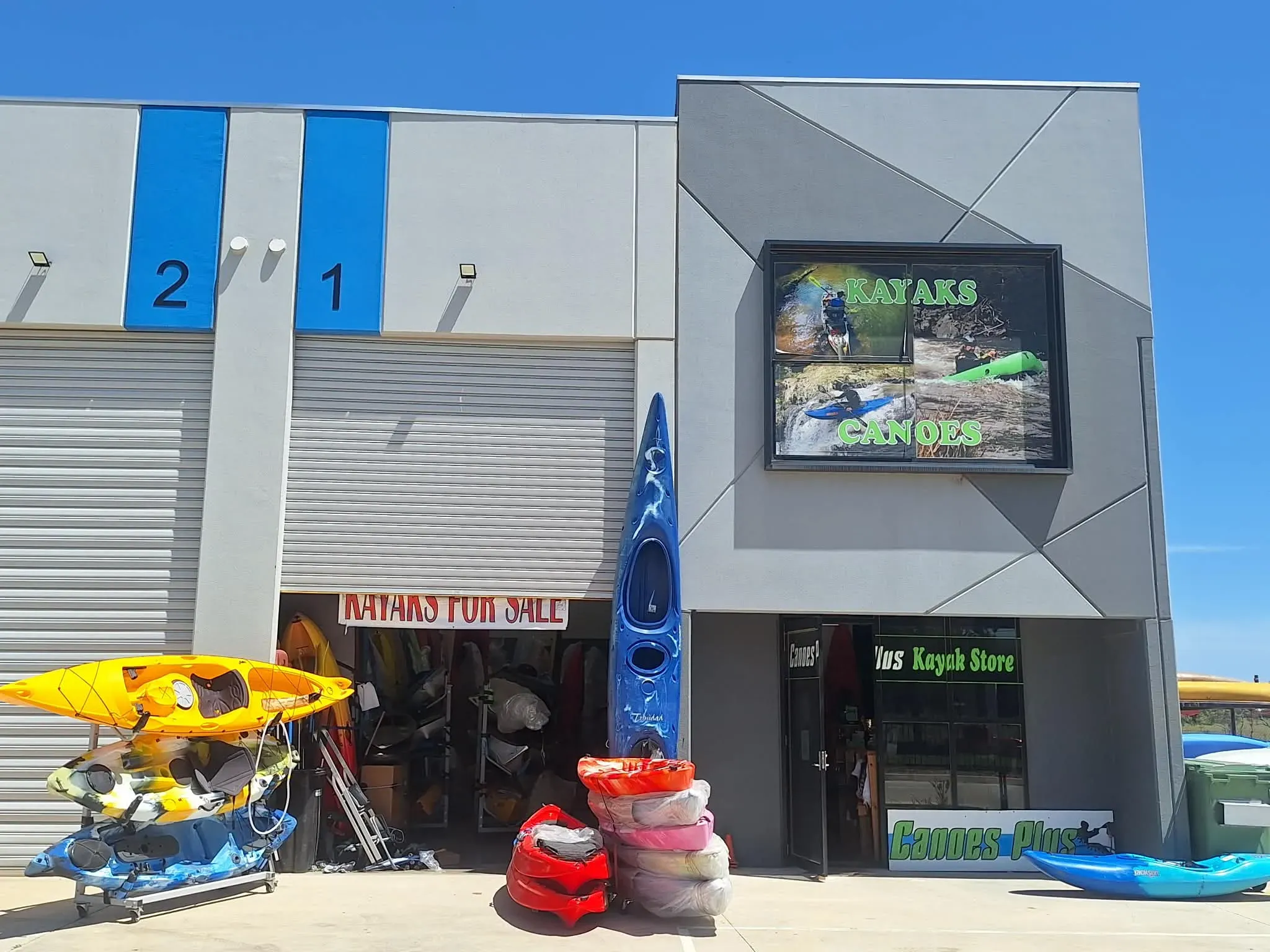
By Dita Pahl, Canoes Plus Adventure Experience
Kayaking gives direct access to nature, low-impact exercise, and calm on the water. For beginners eager to learn how to kayak, choosing the right gear, mastering safety basics, and planning a simple trip are the core steps to a confident, enjoyable outing.
This guide explains essential equipment, key safety practices, and practical steps for planning your first paddling trip, helping you learn how to kayak effectively and safely.
Selecting the Appropriate Kayaking Gear to Learn How to Kayak:
Right equipment reduces risk and improves comfort. Start with safety items and gear suited to the water you will paddle, to better learn how to kayak with confidence.
Personal Flotation Device (PFD): A well-fitted PFD is essential and should be worn at all times on the water when you learn how to kayak.
Kayak Types: For beginners learning how to kayak, recreational or inflatable kayaks offer stability and easy handling; choose by where and how you will paddle.
Paddling Accessories: Carry a suitable paddle, a whistle for signaling, and a dry bag for valuables; add a sprayskirt if using a sit-in kayak—these enhance your experience as you learn how to kayak.
What Are the Essential Kayaking Gear and Safety Equipment for Beginners Learning How to Kayak?
Keep a concise kit covering flotation, signaling, and comfort. Fit matters more than brand when you learn how to kayak.
PFDs: Ensure a snug, comfortable fit suitable for paddling as you learn how to kayak.
Kayak Types: Recreational or inflatable kayaks are good beginner options for those eager to learn how to kayak.
Safety Essentials: Pack a whistle, a flashlight, and a compact first-aid kit to stay safe while you learn how to kayak.
Right gear reduces hazards and lets you focus on building skills as you learn how to kayak.
Understanding Crucial Safety Practices to Learn How to Kayak Safely:
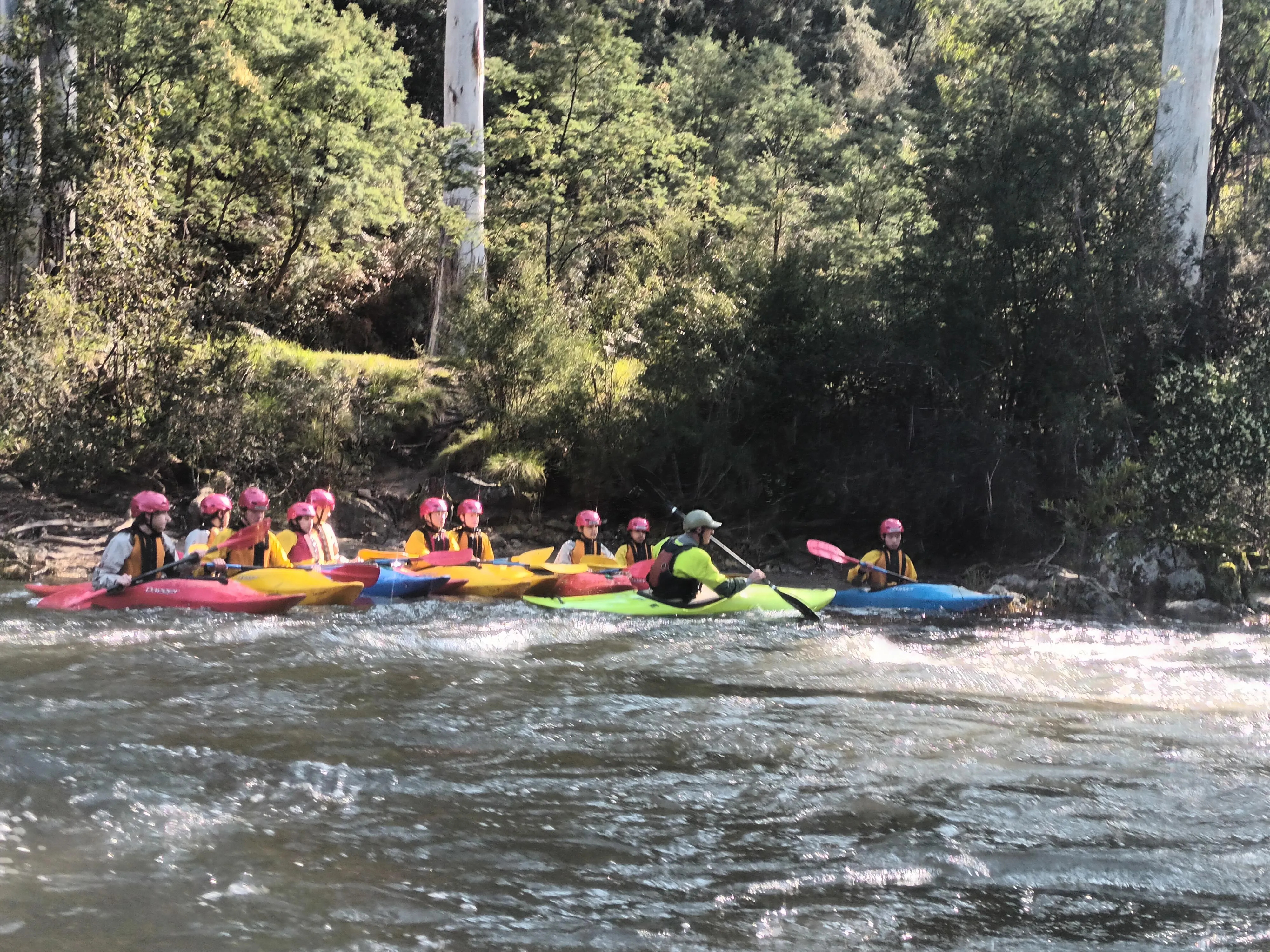
Safety should guide every decision on the water as you learn how to kayak. Learn simple precautions and emergency steps before you launch.
Wear Your PFD: Always wear your life jacket while on the water when you learn how to kayak.
Check Weather Conditions: Review forecasts and avoid unsafe conditions for your skill level as you learn how to kayak.
Paddle with a Buddy: A partner increases safety and makes assistance possible if needed while you learn how to kayak.
Effectively Planning an Inaugural Kayaking Trip to Learn How to Kayak:
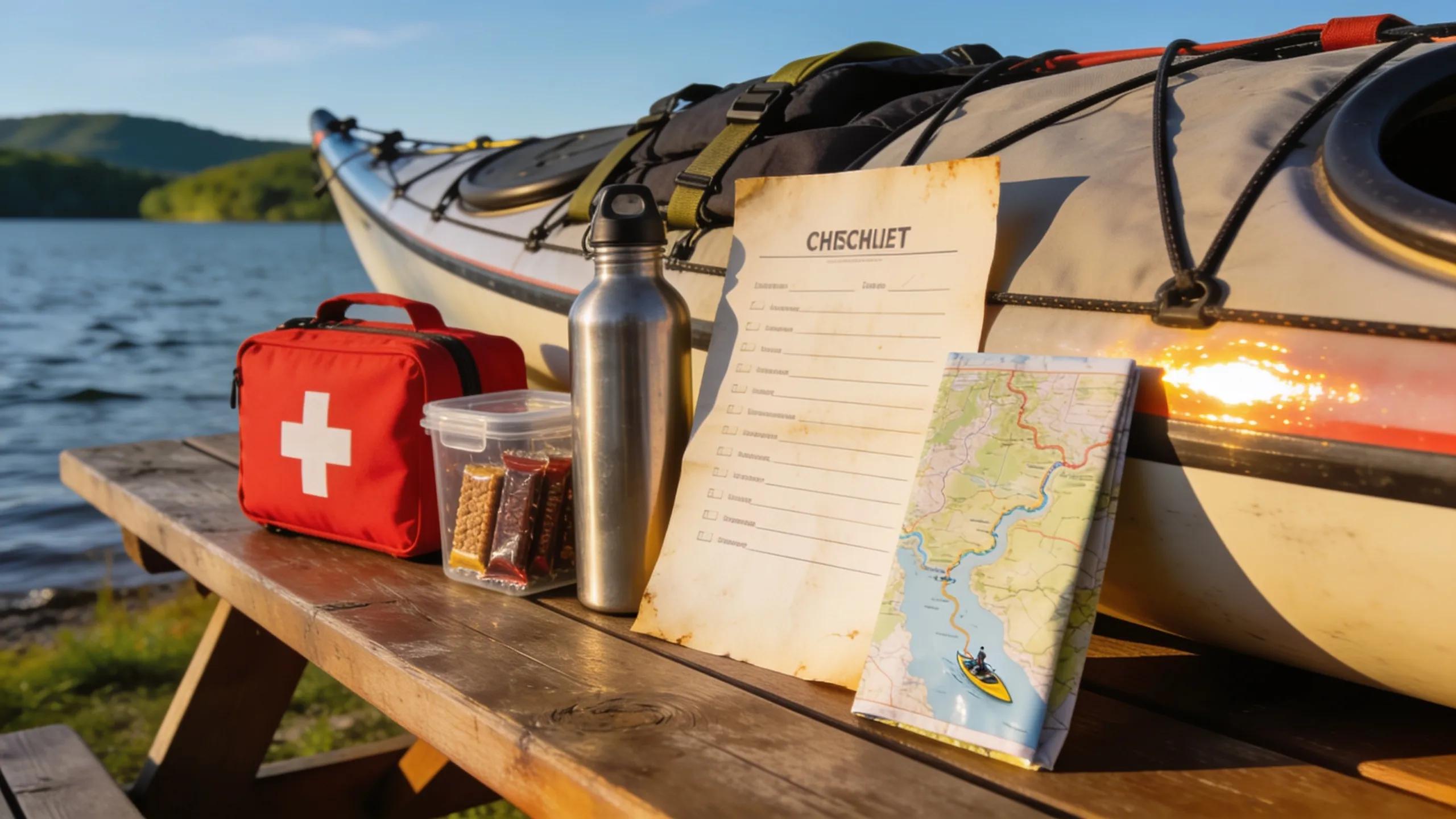
Choose a simple route, confirm launch and exit points, and prepare a short checklist for safety, hydration, and minor repairs as you learn how to kayak on your first trip.
Choosing a Location: Start on calm flatwater to practice basic strokes and control while you learn how to kayak.
Informing Others: Tell someone your plan and expected return time before you learn how to kayak outdoors.
Packing Essentials: Pack PFD, paddle, water, snacks, basic repair items, and a first-aid kit to stay prepared as you learn how to kayak.
A clear, simple plan reduces stress and helps manage risks on your first outing to confidently learn how to kayak.
Which Kayak Types and Features Are Best Suited for Beginner Paddlers Learning How to Kayak?
Choose stable hulls and comfortable seating that match your storage and transport constraints to enhance your experience as you learn how to kayak.
Double Kayaks: Good for paddling with a partner and added stability when you learn how to kayak.
Recreational Kayaks: Designed for calm waters and comfortable for beginners starting to learn how to kayak.
Inflatable Kayaks: Portable and practical for limited storage space, perfect for those looking to learn how to kayak.
Compare stability, weight, and storage to pick the best model for your needs as you learn how to kayak.
What Safety Gear Is Mandatory for Safe Kayaking When You Learn How to Kayak?
Carry approved flotation and basic emergency supplies to reduce risk and aid rescue or self-help as you learn how to kayak.
Personal Flotation Device (PFD): Required for every paddler learning how to kayak.
Emergency Kit: A compact first-aid kit and basic repair tools are essential when you learn how to kayak.
Waterproof Communication Devices: Carry a whistle and a waterproof phone or VHF in higher-risk areas to stay safe while you learn how to kayak.
Approved safety gear improves outcomes if incidents occur during your journey to learn how to kayak.
How Do You Master Fundamental Kayaking Techniques and Paddling Skills When You Learn How to Kayak?
Start with core strokes and balance drills in sheltered water; consistent repetition builds reliable technique as you learn how to kayak.
Forward Stroke: Use a smooth, torso-driven motion to propel the kayak efficiently while you learn how to kayak.
Bracing Techniques: Learn low and high braces to recover balance quickly when you learn how to kayak.
Balance and Posture: Keep a low centre of gravity and even weight distribution for stability during your process to learn how to kayak.
Practice these basics before advancing to more complex manoeuvres to fully learn how to kayak.
What Are the Step-by-Step Instructions for Proper Paddle Handling and Stroke Techniques When You Learn How to Kayak?
Adopt the correct grip, rotate from the torso, and alternate strokes to maintain direction as you learn how to kayak.
Grip Positioning: Hold the paddle at shoulder width with a relaxed, secure grip while you learn how to kayak.
Stroke Mechanics: Drive strokes with core rotation rather than arm strength as you improve technique to learn how to kayak.
Paddle Control: Use corrective strokes to steer and keep a straight course on your way to learn how to kayak.
Focus on grip, rotation, and balanced strokes to improve efficiency and steering as you learn how to kayak.
How Can Beginners Practice Kayaking Safety on Water While They Learn How to Kayak?
Rehearse safety routines before each trip: check fit, review the route, and agree emergency steps with your partner as part of your journey to learn how to kayak.
Safety Gear Usage: Put on your PFD before entering the water and confirm it fits, essential when you learn how to kayak.
Knowing Your Route: Note hazards and safe exit points along the waterway while you learn how to kayak.
Emergency Procedures: Agree on signals and a simple rescue plan with your group to stay safe as you learn how to kayak.
Practicing these actions builds confidence and improves response under pressure during your experience to learn how to kayak.
What Should You Know About Preparing for Your First Kayak Trip to Learn How to Kayak?
Inspect equipment, confirm weather and access, and pack for repairs, hydration, and nutrition to make your attempt to learn how to kayak successful.
Essential Gear: Check PFD, paddle, pump (if inflatable), and repair items before you learn how to kayak.
Preparation Tasks: Ensure hull, fittings, and paddles are serviceable before launch as part of how you learn how to kayak.
Contingency Planning: Have a simple backup plan for weather or minor equipment failure when you learn how to kayak.
Good preparation reduces anxiety and improves the chance of a safe, enjoyable trip as you learn how to kayak.
How Do You Plan a Kayak Trip: Key Considerations and Local Australian Spots to Learn How to Kayak?
Select routes that match conditions and ability, confirm access points, and check local rules to optimize your experience while you learn how to kayak.
Route Selection: Pick waters that suit your skill level and current conditions as you learn how to kayak.
Weather Checks: Confirm forecasts and tides where relevant in preparation to learn how to kayak.
Local Kayaking Spots: Consider sheltered rivers and lakes such as popular beginner-friendly routes ideal for those eager to learn how to kayak.
Choosing appropriate locations and preparing for local conditions improves safety and enjoyment as you learn how to kayak.
What Are the Best Practices for Kayak Packing and Maintenance Before Leaving to Learn How to Kayak?
Packing and basic maintenance lower the chance of on-water issues; use checklists and routines to support your efforts to learn how to kayak.
Essential Items Checklist: Create a short packing list covering safety, hydration, and repairs to prepare for your trip to learn how to kayak.
Packing Techniques: Use waterproof bags and centre heavy items for stability when you learn how to kayak.
Maintenance Tips: Inspect the hull and fittings regularly and repair damage promptly to keep gear ready as you learn how to kayak.
Consistent routines make preparation quicker and more reliable while you learn how to kayak.
Where Can Beginners Access Professional Kayaking Courses and Guided Experiences to Learn How to Kayak?
Formal instruction speeds learning and improves safety—look for local schools, guided trips, or weekday beginner classes to enhance how you learn how to kayak.
Local Kayaking Schools: Many run beginner courses focused on fundamentals and safety, ideal for those who want to learn how to kayak.
Online Resources: Use reputable guides and videos to supplement hands-on training as you learn how to kayak.
Course Details: Check schedules and levels to find a suitable class to help you effectively learn how to kayak.
Structured courses provide practical experience and reduce common beginner errors while encouraging safe ways to learn how to kayak.
What Types of Kayaking and Packrafting Courses Are Available for Different Skill Levels to Learn How to Kayak?
Courses range from beginner basics to intermediate technique and specialised rescue clinics to support your journey to learn how to kayak.
Beginner Courses: Focus on safety, basic strokes, and confidence-building to help learners learn how to kayak.
Intermediate Sessions: Improve technique and introduce more challenging conditions as you advance your skills while you learn how to kayak.
Specialized Clinics: Cover rescue skills or advanced paddling for focused development after you learn how to kayak basics.
Choose a course that fits your current skill and goals when you learn how to kayak.
How Does Choosing Certified Instructors Enhance Kayaking Safety and Learning When You Learn How to Kayak?
Certified instructors teach proven techniques and safety protocols, helping you progress with less risk as you learn how to kayak.
Expertise of Instructors: Experienced teachers give practical technique and safety tips crucial when you learn how to kayak.
Safety Protocols: Structured instruction emphasises accepted safety procedures to keep you secure as you learn how to kayak.
Structured Learning: Courses provide step-by-step progression at an appropriate pace ideal for those who learn how to kayak.
Working with certified instructors is a sound investment in safe, efficient learning as you learn how to kayak.
Frequently Asked Questions
What Should Beginners Know About Selecting a Kayaking Location When They Learn How to Kayak?
Choose calm waters with easy launch and exit points, low boat traffic, and confirmed local access rules to create a positive environment as you learn how to kayak.
How Can Beginners Increase Their Confidence While Kayaking and Learning How to Kayak?
Build confidence with focused practice in sheltered conditions, structured instruction, and gradual challenges; group sessions can help you learn how to kayak more effectively.
What Are the Essential First-Aid Skills for Kayakers Learning How to Kayak?
Basic first-aid should cover wound care, sprain management, and recognising hypothermia; know CPR and your kit contents to stay prepared as you learn how to kayak.
How Do Weather Conditions Affect Kayaking Safety While You Learn How to Kayak?
Weather changes affect water state and risk; avoid strong winds, lightning, and conditions beyond your skill level when you learn how to kayak.
What Important Communication Tips Should Kayakers Follow to Stay Safe While They Learn How to Kayak?
Agree signals before launch, use hand signals for short-range communication, and carry a whistle or waterproof alert device to ensure safety while you learn how to kayak.
Why Is it Important to Learn Kayak Maintenance as You Learn How to Kayak?
Routine checks prevent failures and extend gear life—inspect hulls, seals, and paddles, and repair damage promptly to maintain equipment as you learn how to kayak.
How Can Environmentally Friendly Practices Be Implemented in Kayaking When You Learn How to Kayak?
Minimise impact by carrying out waste, using reusable containers, avoiding wildlife disturbance, and following Leave No Trace principles while you learn how to kayak.